The role of XLIF in spinal revision surgery involving failed interbody implants: a review of technique, outcomes, and indications
08.10.25Shawn Noroozy
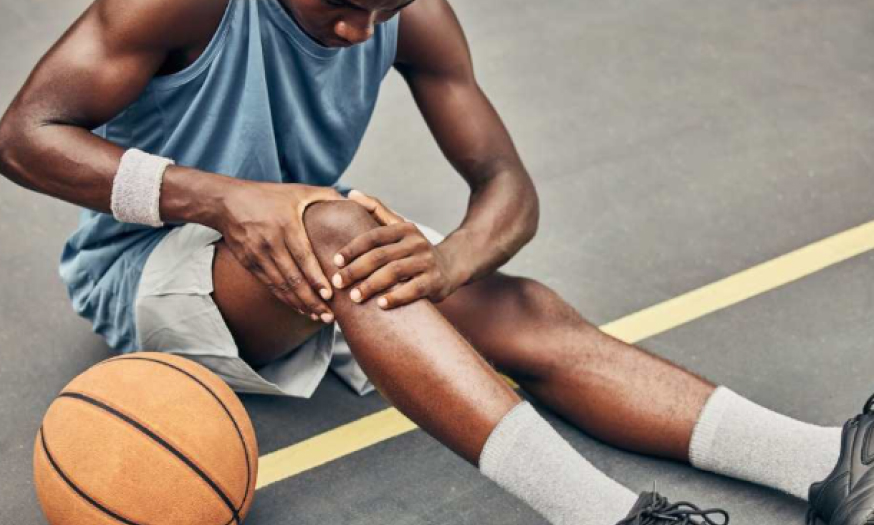
As you may know, getting injured in sports is quite common. However, what you may not know is that there are many rehabilitation processes to go through in order to restore pre-injury function and prevent reoccurrence.
Sports Injury Rehabilitation
The only goal in the first phase of rehabilitation is to alleviate pain symptoms, offload any movement, rest the injured area, and protect it from further trauma.
Realistically, that is only the beginning. After we suffer an injury, even after achieving pain-free movement, our strength, flexibility, mobility and stability can all still be significantly reduced, even within just 2 weeks of rest and recovery.
At Infinite Health, our Physiotherapists and Exercise Physiologists specialise in ALL stages of rehabilitation for sporting injuries, from the initial hands-on treatment phase, to localised rehab up until restoring pre-injury performance. Obviously, the key for all sports injuries is to rehab completely and then prevent further injury. If this is not done, then you will be putting yourself at risk of further injury later down the track, or won’t recover 100%.
Sports InjuryAchillies tendinopathy, ankle and hamstring strains, patellofemoral pain, ITB syndrome, etc. Promote healing & recovery
As you may know, getting injured in sports is quite common. However, what you may not know is that there are many rehabilitation processes to go through in order to restore pre-injury function and prevent reoccurrence. Too frequently people undergo rehabilitation up until pain-free movement and stop there.
Realistically, that is only the beginning. After we suffer an injury, even after achieving pain-free movement, our strength, flexibility, mobility and stability can all still be significantly reduced, even within just 2 weeks of rest and recovery.
At Infinite Health, our Physiotherapists and Exercise Physiologists specialise in ALL stages of rehabilitation for sporting injuries, from the initial hands-on treatment phase, to localised rehab up until restoring pre-injury performance. Obviously, the key for all sports injuries is to rehab completely and then prevent further injury. If this is not done, then you will be putting yourself at risk of further injury later down the track, or won’t recover 100%.
Phase 1- Rest and Protect the Injury
As you may know, getting injured in sports is quite common. However, what you may not know is that there are many rehabilitation processes to go through in order to restore pre-injury function and prevent reoccurrence. Too frequently people undergo rehabilitation up until pain-free movement and stop there.
Sprained ankle: Overstretching or tearing the ligaments surrounding the ankle.
Ligament tears: Particularly common in knees and ankles, these can vary from minor tears to complete ruptures.
Broken bones: Fractures can range from minor (such as a hairline crack) to severe (such as a complete break). These can occur in any bone but are most common in the arms and legs.
Rest does not always imply bed rest or total cessation of everyday activity. According to research, it is critical to continue to engage in functional movement in various ways. Just keep in mind that your level of activity will be reduced, and the activities themselves will be changed to relieve pressure on the damaged area.
Phase 2- Mobility and Movement
Joint mobility and range of motion are essential for muscular strength. Muscles and joints work together to flex, stretch, strain, and respond. The wounded area is likely to feel stiff after an accident, whether owing to tissue repair or simply inactivity and moving it may cause some discomfort or pain at first. The goal of this phase of rehabilitation is to regain joint flexibility and mobility.
A physical therapist (physiotherapist) will utilize muscle stretching, flexibility training, and therapeutic exercise to restore mobility and range of motion. You can restore movement and mobility to the damaged area by doing a few basic workouts and exercises at home.
Join the Waitlist
Please fill in the fields below and we'll add you to the Waitlist.
Your message has been successfully sent.
Our team will review your inquiry and get back to you as soon as possible.
This site is registered on wpml.org as a development site. Switch to a production site key to remove this banner.